 Colorado Springs Premier Water Damage Restoration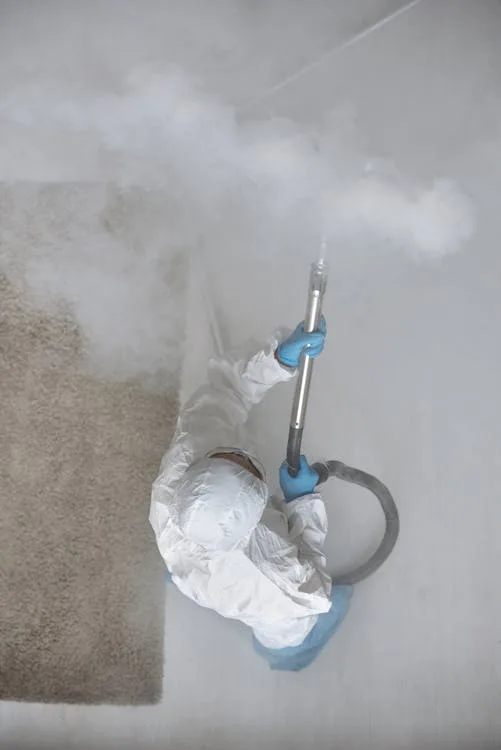
Sewage Cleanup Colorado Springs
Category 3 biohazard response — IICRC certified — 24/7 emergency
Call Now — (719) 249-1109Sewage backup cleanup in Colorado Springs is a Category 3 biohazard response — not a cleanup job. Raw sewage contains pathogenic bacteria, viruses, and parasites that create serious health risks with exposure. Our IICRC-certified team responds 24/7, establishes full containment, removes all contaminated material, and restores the affected area to safe occupancy. Call (719) 249-1109 immediately for raw sewage cleanup in Colorado Springs.
Why Sewage Is Dangerous — Category 3 Water
Sewage backup introduces Category 3 (black water) contamination — water that contains human waste, pathogens, and sewage-derived contaminants. This category is defined by IICRC S500 and carries the highest risk level in water damage restoration.
The pathogens in Category 3 sewage include fecal coliform bacteria (including E. coli), Hepatitis A, and a range of parasitic organisms. These pathogens can survive on surfaces for extended periods and can remain viable in porous materials — drywall, flooring, insulation, carpet — even after the visible sewage is removed.
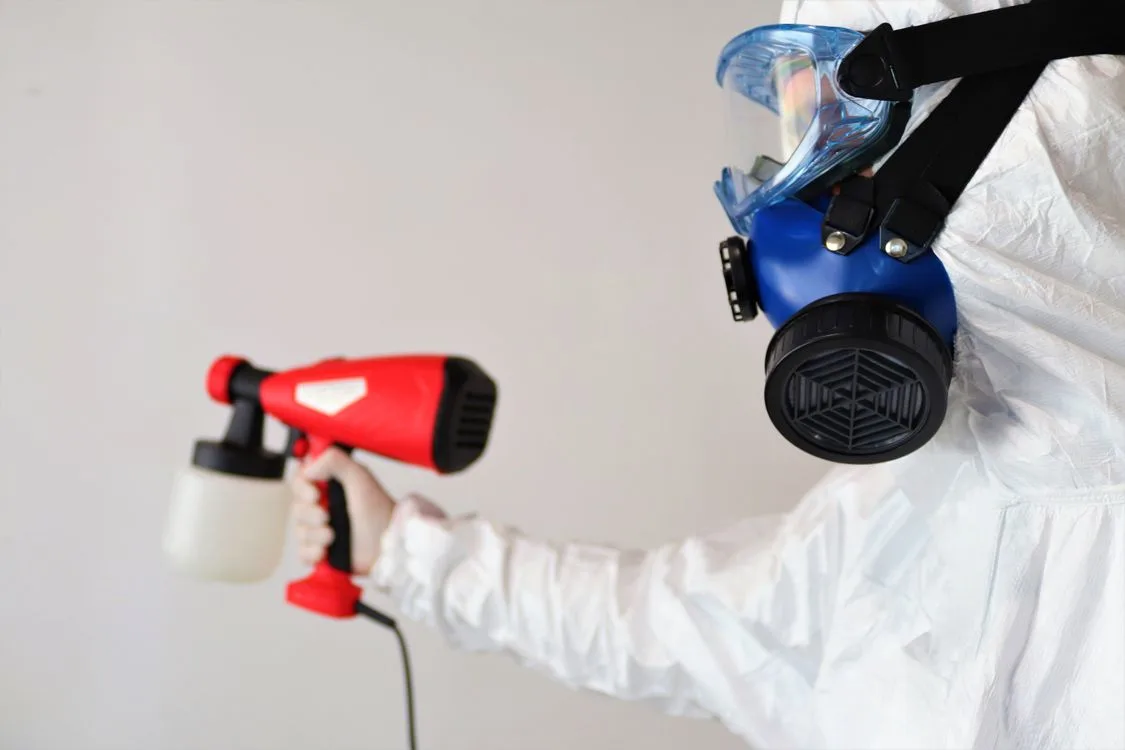
Category 3 cleanup requires full personal protective equipment (Tyvek suits, N95 or full-face respirators, nitrile gloves), containment barriers to prevent cross-contamination to unaffected areas, complete removal of all porous materials that came into contact with sewage, and EPA-approved antimicrobial treatment of all structural surfaces.
This is why sewage backup is not a DIY situation, regardless of the apparent volume of the event. Even a small sewage backup that affected a few square feet of flooring and the lower portion of a wall requires professional biohazard decontamination.
What Causes Sewage Backup in Colorado Springs
Tree Root Intrusion
Established trees in Colorado Springs neighborhoods — particularly in older areas like Old Colorado City, Ivywild, and Broadmoor — have roots that grow into clay sewer lines over decades. Root intrusion creates partial blockages that back up under heavy flow conditions and can progress to full blockages.
Aging Sewer Infrastructure
The Colorado Springs municipal sewer system serves a city that expanded rapidly in the 1970s–1990s. Older sections of clay and cast iron pipe are approaching end-of-life, increasing the frequency of line failures and backups.
Heavy Rain Overwhelming Combined Systems
During summer flash flood events — which represent Colorado Springs’ most common natural hazard — storm drain and sewer systems can be overwhelmed simultaneously. Fountain Creek surges and high-intensity rainfall can drive sewage backward through floor drains and toilets in lower-level spaces.
Blocked Drain Lines
Grease buildup, non-flushable wipe accumulation, and foreign object introduction create blockages that back up when the system is under normal flow load.
Our Sewage Cleanup Process
-
Establish Containment
Polyethylene barriers seal the affected area from the rest of the structure. Negative pressure is maintained with HEPA air scrubbers.
-
Suit Up
Full PPE including Tyvek suits and respirators. All personnel in the containment zone wear full protection throughout the process.
-
Remove Contaminated Material
All porous materials (drywall, flooring, insulation, carpet, baseboards) that came into contact with Category 3 water are removed and disposed as contaminated waste.
-
Clean and Disinfect Structural Surfaces
Concrete, masonry, and framing that cannot be removed are cleaned with EPA-approved antimicrobial agents per IICRC protocol.
-
Deodorize
Hydroxyl or ozone generators are used to eliminate sewage odor at the molecular level. Masking agents are not used — sewage smell after cleanup means incomplete decontamination.
-
Dry the Area
After decontamination, the affected area is dried to prevent secondary water damage and reduce the risk of mold. See our structural drying service.
-
Document for Insurance
Sewage backup is often covered under homeowners insurance as a separate rider. We document the scope, Category 3 classification, and all work performed.
24/7 sewage backup cleanup in Colorado Springs — call immediately for biohazard response.
(719) 249-1109Frequently Asked Questions — Sewage Cleanup
-
Sewage backup coverage is typically a separate rider or endorsement on a standard homeowners policy — it is usually not included by default. Review your policy specifically for “sewer backup” or “water backup” coverage language. If you have the rider, document the event thoroughly before cleanup begins. We provide documentation to support the claim process.
-
Sewage odor comes from volatile organic compounds (VOCs) produced by bacterial decomposition in waste. Eliminating the odor requires: (1) complete removal of all contaminated porous materials, (2) antimicrobial treatment of all remaining structural surfaces, (3) hydroxyl or ozone deodorization to neutralize the remaining VOCs. Surface cleaning and air fresheners don’t address the source and will not eliminate the odor. If sewage smell persists after cleanup, it typically indicates remaining contamination in a building material.
-
Professional Category 3 sewage cleanup follows a defined protocol: establish containment, suit up in full PPE, remove all porous contaminated materials, clean and disinfect structural surfaces with EPA-approved antimicrobials, deodorize, and dry. This is not a job for rubber gloves and a mop.
-
For a typical basement or bathroom sewage backup, the cleanup phase (contaminated material removal, disinfection, deodorization) takes 1–2 days. Structural drying after the cleanup adds 3–5 days. Total restoration including drywall and flooring replacement depends on scope.
-
The most common causes in Colorado Springs are tree root intrusion into aging clay sewer lines, municipal system overwhelm during summer flash flood events, and standard line blockages from grease and debris. Older neighborhoods with mature tree canopy and original infrastructure are at elevated risk.
-
Yes. Category 3 sewage water contains pathogenic organisms including fecal coliform bacteria, Hepatitis A, and parasites. These can cause serious illness with exposure — ingestion, skin contact, and inhalation of contaminated aerosols all represent risk pathways. Evacuate the affected area and limit contact until professional remediation is complete. Do not run HVAC while sewage contamination is present — it can distribute contaminated aerosols throughout the structure.